High cooling load
The AC runs hard because heat keeps entering the building envelope.
Factory & warehouse heat control · Malaysia & Singapore
Installation experience in Japan.
Local verification in Malaysia.
For facilities in Malaysia and Singapore, we assess the roof, walls and openings, then design suitable heat-control work using reflective barrier sheets. We coordinate local installation and measured verification.
JAPAN
Published manufacturing-facility projects by our construction partner R-CRAFT.
Partner’s Japan projects →MALAYSIA
HouScape’s local pilot compares estimated AC power before and after roof and wall work.
Shah Alam pilot results →When solar heat keeps entering through the roof, walls or openings, air conditioning must fight the same load every day. The first question is not “Which material?” It is “Where is the heat entering?”
The AC runs hard because heat keeps entering the building envelope.
Hot zones and temperature swings can affect people, storage and production.
Without a baseline and assumptions, savings claims cannot guide an investment decision.
Material performance alone does not guarantee installation performance.
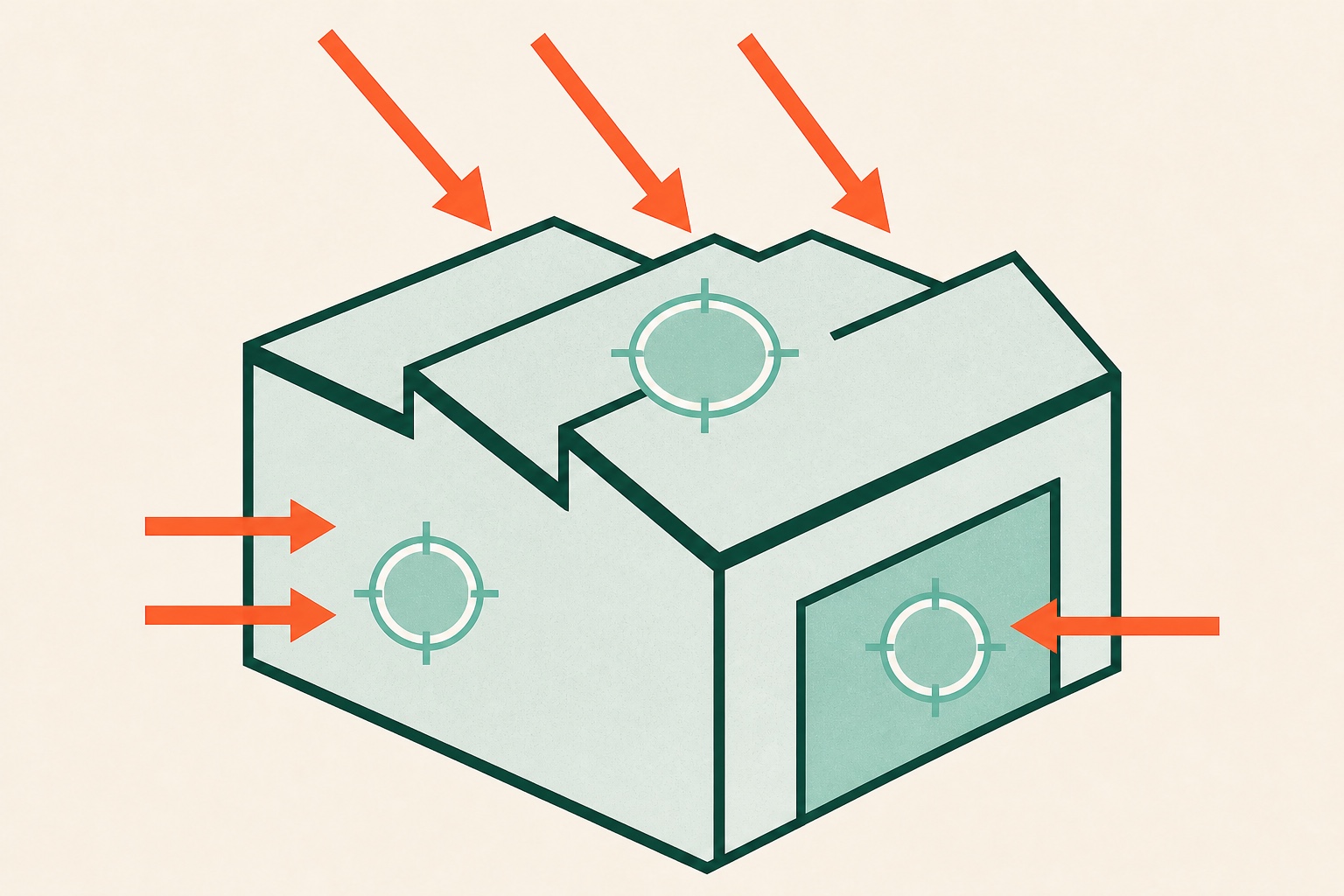
Reflective heat-control sheets reduce radiant heat transfer when installed alongside an air space. We assess the roof, walls and openings first, then specify the installation your building needs.
 01 · Diagnose
Heat can enter through the roof, walls or openings. The dominant source differs by building, so the scope should follow diagnosis—not assumption.

The material combines aluminium foil on both faces with polyethylene and bubble layers. The reflective surfaces reduce radiant heat transfer; we specify air spaces, joints and fastening to suit the building.
Photo: actual installation. How radiant-barrier sheets work →
Review the building, operating conditions and heat-entry paths.
Specify sheet placement, air spaces and the measurement plan.
Install with local partners and inspect the agreed details.
Compare temperature and power under stated conditions.
Start with a free review of the information you have. We agree the scope and cost of any site visit or detailed measurement before proceeding.
In Shah Alam, we analysed air-conditioning power before and after roof and wall heat-control work. After adjusting for outdoor temperature, estimated AC power was about 35% lower.

One air-conditioned office, before and after combined roof and wall work. These are estimated AC power reductions, not electricity-bill savings or a guarantee for other facilities.
Estimated AC power is compared by outdoor temperature during periods with a 26°C set point. Results reflect combined roof and wall work and vary with the building and operating conditions.
Estimated AC power (kW) by outdoor temperature

At 32°C outdoor temperature
Tell us the location and the heat problem. We will help define the next step.
A shared record of diagnosis, installation and results helps your local team and Japan headquarters assess the same project.
Identify the dominant path before choosing the construction scope.
Translate design intent into a clear installation and inspection plan.
The supervision arrangement and inspection standard are agreed for each project.
Document conditions and measurement logic so the result can be reviewed.

The on-site team. We align the installation approach and work together on local delivery.
Delivery structure
 Diagnosis & project coordination
The Japan and Singapore contact for your facility and headquarters teams. We coordinate diagnosis, installation arrangements and the measurement plan.
Company website → Malaysia · Local engineering
Your Malaysia contact, based in Kuala Lumpur. HVAC and building-services expertise supports local technical coordination and installation arrangements.
Company website → Japan · Installation expertise
With nearly 20 years in heat-control work since 2008, R-CRAFT brings extensive factory installation experience. That experience guides precise installation suited to each site.
Company website →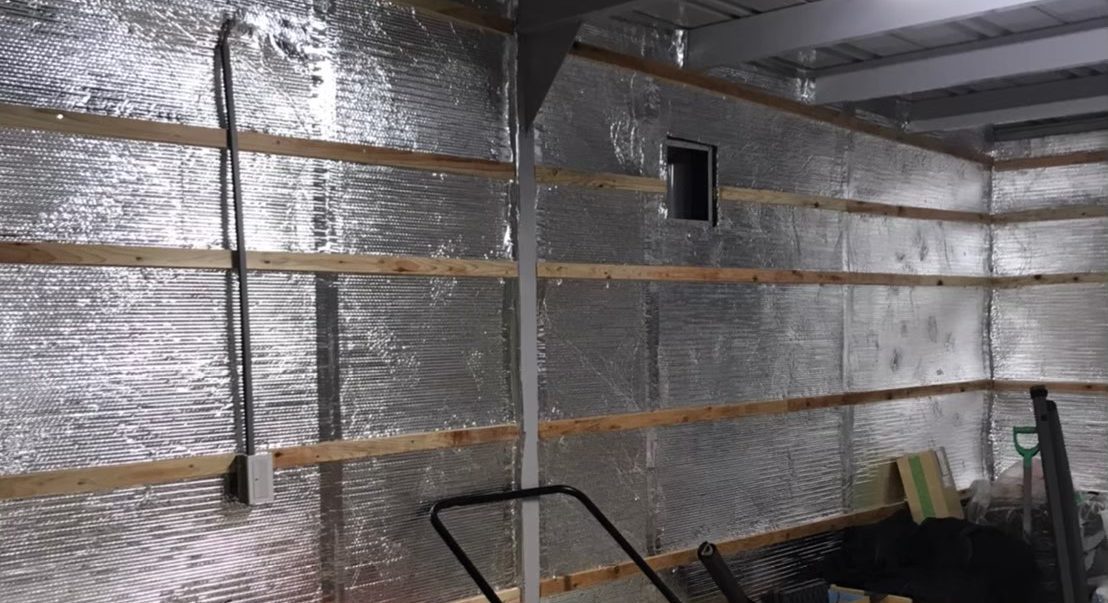 01 · Food
Review heat load around temperature-sensitive storage.
Photo: R-CRAFT · Japan reference →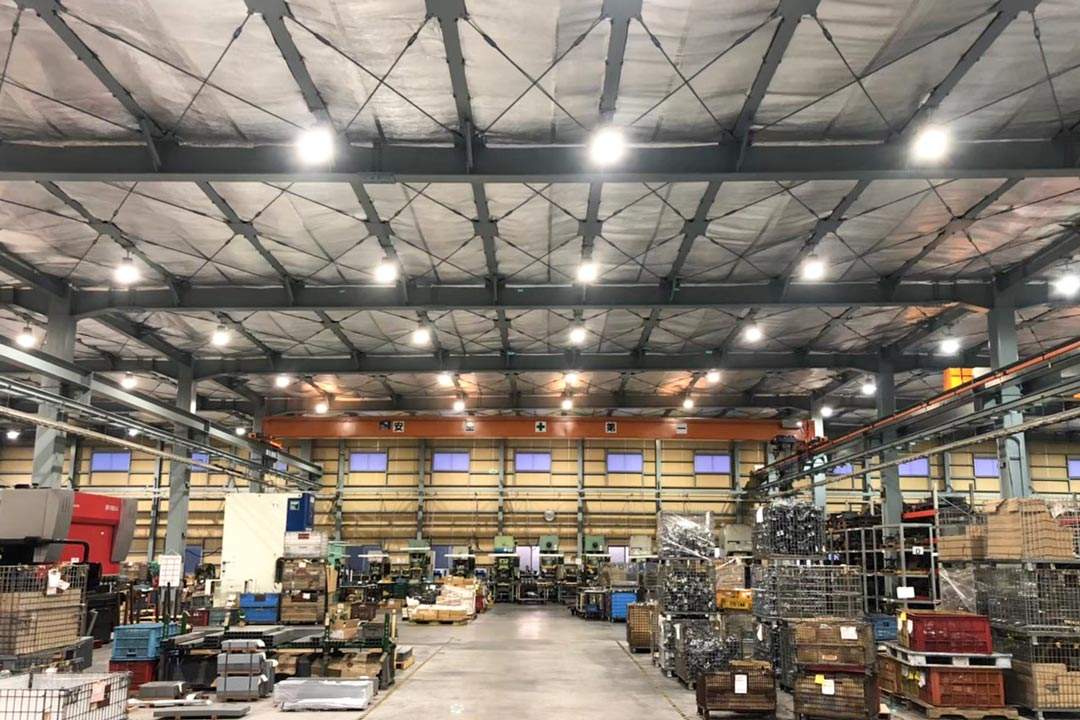 02 · Manufacturing
Address hot zones affecting working and production conditions.
Photo: R-CRAFT · Japan reference →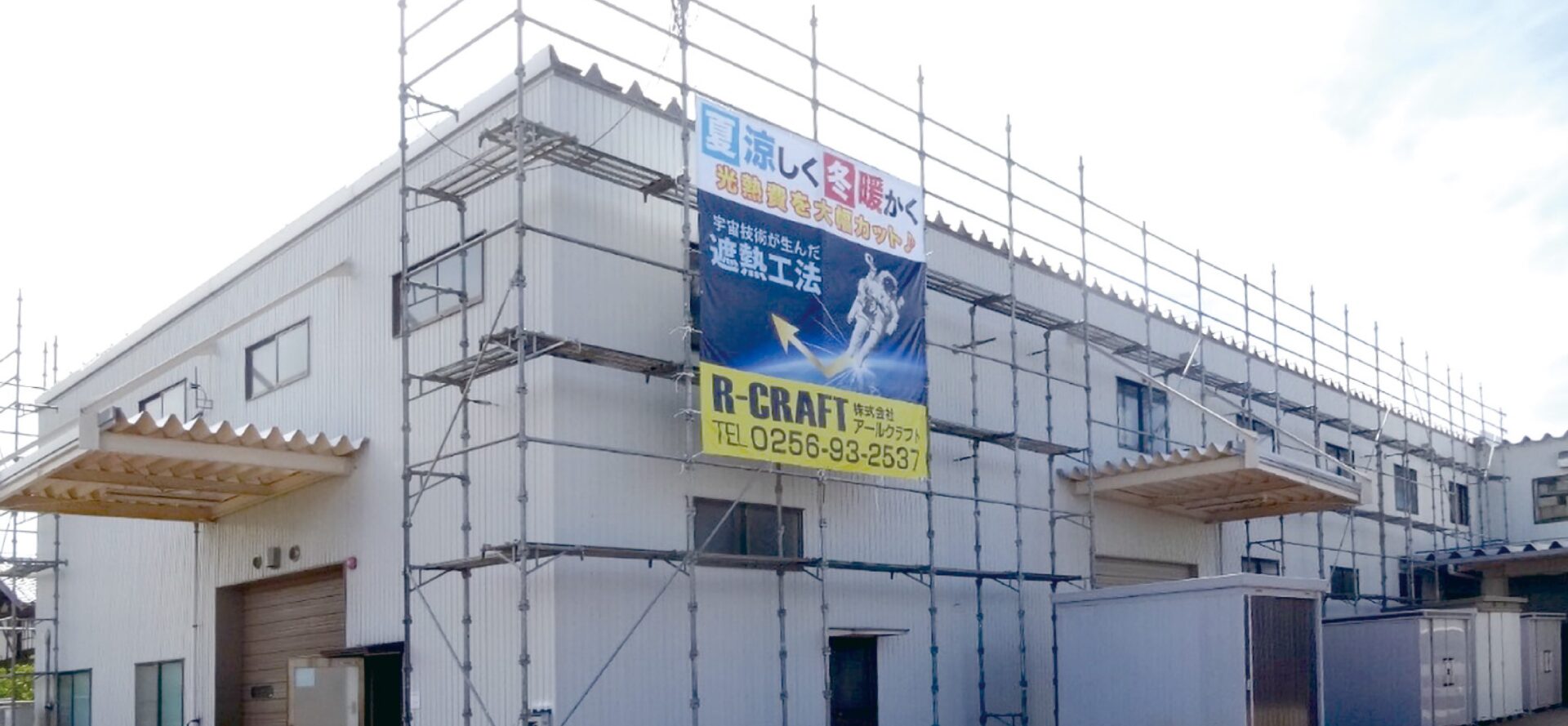 03 · Logistics
Prioritize large roofs and walls exposed to solar heat.
Photo: R-CRAFT · Japan reference →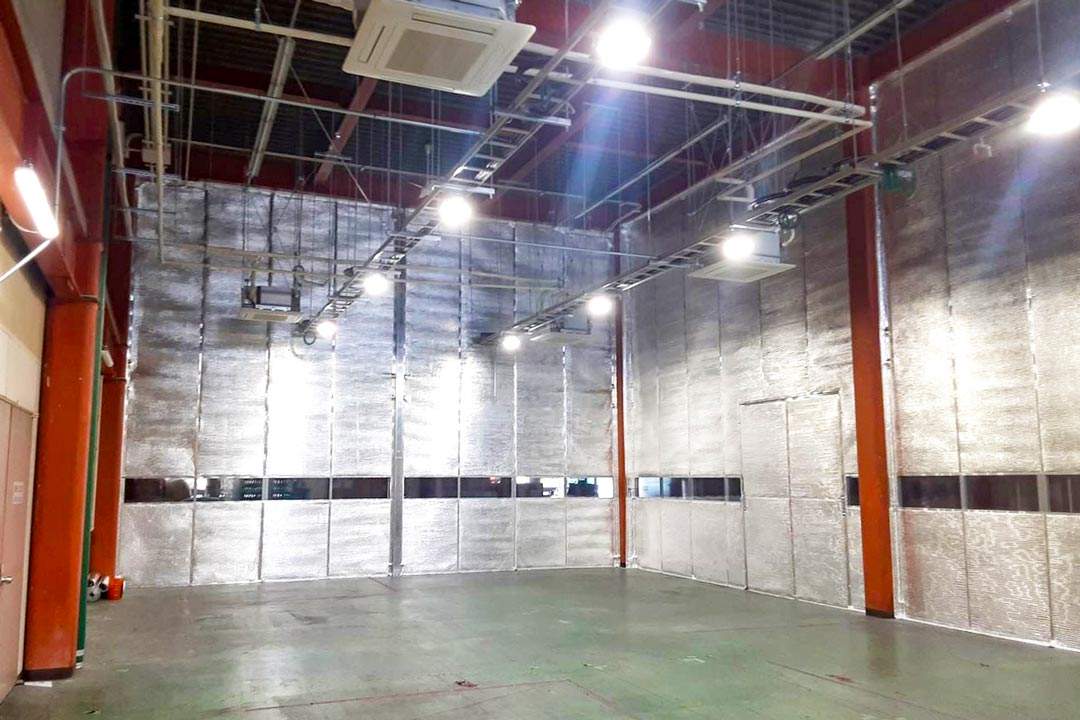 04 · Temperature control
Support stable conditions with a scope tailored to the process.
Photo: R-CRAFT · Japan reference →Photos show R-CRAFT’s projects in Japan as references for facility types and installation approaches.
Practical guides and field records explain heat diagnosis, reflective sheets, installation and measured results for factories and warehouses.
A reflective sheet is one part of a heat-control system. Understand the material, installation details and measurements before choosing a solution.
Read guide →Roof, walls, openings and process equipment can all affect a hot factory. Start with the occupied area and operating conditions to choose the scope.
Read guide →A Shah Alam office in Malaysia showed about 35% lower condition-adjusted estimated AC power after roof and wall work. Read the method and remaining limitations.
Read guide →HouScape documents the work, measurement gaps, analysis conditions and remaining uncertainties.
Reflective roof coatings reduce solar heat absorbed at the exposed roof surface. A reflective barrier reduces radiant heat transfer across an air space. We diagnose the building first, then select a suitable assembly and measurement plan.
No. The dominant heat path may be the roof, walls, openings or operating conditions. We define the scope after reviewing the facility.
A short description of the heat problem, facility use, location and any available drawings, roof area or electricity data. It is fine if some information is not yet available.
In Malaysia, R-CRAFT and ASAHI ENGINEERING (MALAYSIA) SDN. BHD. work with the local installation team. R-CRAFT provides specialist radiant-barrier installation expertise; ASAHI coordinates local engineering and installation arrangements. HouScape acts as the Japan contact, coordinating the project and measurement plan. For Singapore, HouScape receives enquiries and the installation team and scope are determined after a site survey.
Two are worth knowing, and we design around both. Large metal surfaces can affect Wi-Fi and mobile signal, so repeater placement and non-shielded zones are planned at the design stage. And a wrong moisture design can cause condensation, so ventilation and moisture balance are checked before the scope is finalized.
A short message is enough. Area and drawings can be confirmed after your enquiry.
Start with spot measurements of surface temperature, WBGT and AC power. We agree the location, measurement points and schedule beforehand. Uncooled areas focus on surface temperature and WBGT. Availability of the free offer and its scope are confirmed after enquiry. No installation contract is required.
MALAYSIA
JAPAN